
From quarry face to loaded truck
Seven stages stand between raw limestone and a consignment that meets specification. Each one exists to narrow the variation the next stage has to deal with.
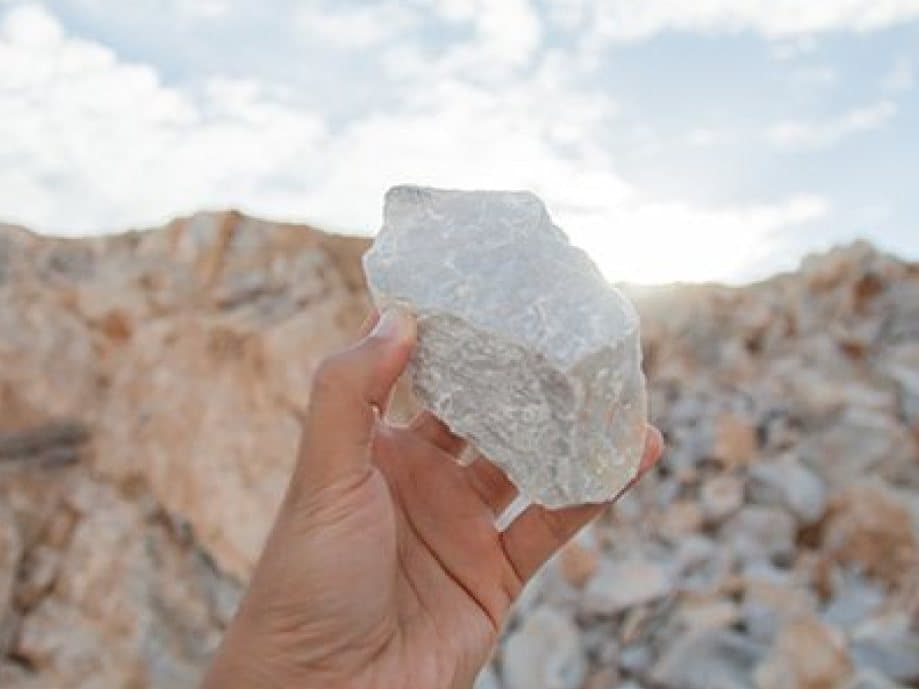
Raw Material
High-calcium limestone, selected and characterised before it reaches the kiln.
Everything downstream is decided here. Limestone chemistry — calcium carbonate content, and the silica, magnesia and iron that come with it — sets the ceiling on what the finished lime can be. Stone is selected against the grades we produce, and feed consistency is what allows a kiln to be run to a repeatable burn rather than being re-tuned batch to batch.
Crusher and screening plant in operation
/photos/process-crushing.jpg
Crushing & Screening
Stone is reduced and screened to the size band the kiln is designed to burn.
Kilns burn a size range, not a size. Feed that is too coarse leaves unburnt cores; feed that is too fine chokes airflow and over-burns. Crushing and screening deliver stone inside the working band, and the screened fractions that fall outside it are directed to graded limestone product rather than wasted.
Kiln at temperature — the calcination stage
/photos/process-calcination.jpg
Calcination
Limestone is burnt to drive off carbon dioxide, leaving calcium oxide.
The core transformation: at calcining temperature, calcium carbonate decomposes into calcium oxide and carbon dioxide. Time and temperature together determine reactivity — under-burn leaves residual carbonate, over-burn produces a dead-burnt, sluggish lime. Holding the burn in the right window is what separates a usable industrial reagent from filler.
Grinding mill and/or hydrator plant
/photos/process-processing.jpg
Processing & Hydration
Burnt lime is sized, ground, or slaked into hydrated lime.
Quick lime leaves the kiln as lump material. From there it is screened into the graded fractions our customers order, ground into quick lime powder where a fine, fast-reacting product is required, or slaked under controlled water addition to produce hydrated lime — calcium hydroxide — as a dry, stable powder.
Laboratory — technician testing a sample
/photos/process-quality.jpg
Quality Testing
Material is checked against the specification agreed for the order.
Testing exists to answer one question before despatch: does this consignment match what the customer was promised? For lime that means available lime content, reactivity, size distribution and moisture, checked against the agreed band. Material outside specification is held, not shipped.
Bagging line — bags and jumbo bags being filled
/photos/process-packaging.jpg
Packaging
Packed to protect the product for the journey it has to make.
Lime degrades on contact with moisture and air, so packing is a technical decision, not a cosmetic one. Deshwali Minerals supplies in 10 kg and 40 kg bags, jumbo bags and bulk. Longer transit and humid destinations call for sealed or lined packing — specify the destination on your enquiry and we will recommend accordingly.
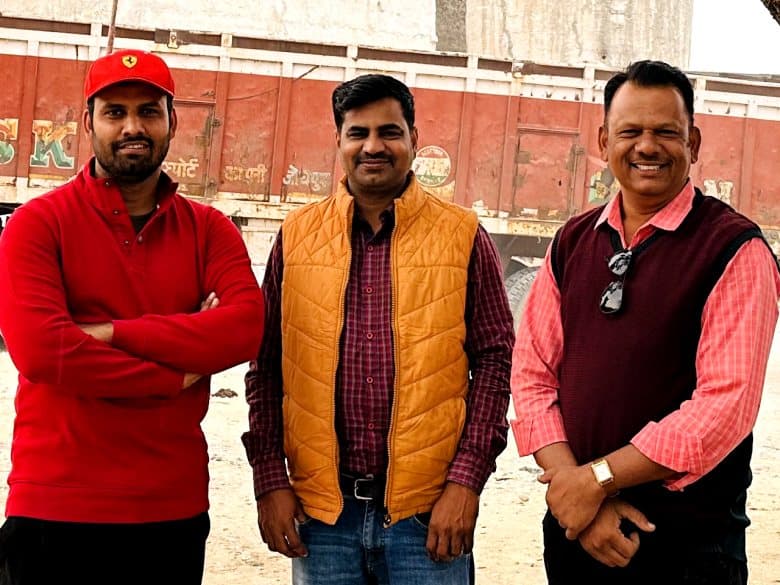
Storage & Dispatch
Covered storage, then loading for road transport or container export.
Finished goods are held under cover and rotated so the oldest stock ships first. Loading is arranged by consignment size — bagged goods stacked and sheeted, jumbo bags palletised or slung, bulk material in covered tippers. Export consignments are loaded into containers for onward movement.
Why this page has blanks in it
Every stage above describes what commercial lime manufacturing involves. Anything plant-specific — kiln type, kiln count, fuel, capacity, laboratory equipment, certifications — is marked for confirmation rather than filled in with a plausible guess.
Industrial buyers check claims. A specification that turns out to be invented costs more than a blank ever will, so this site publishes what Deshwali Minerals has actually stated and flags the rest. As the company supplies verified figures, the markers are replaced with real data.
Ready to price your requirement?
Send us the grade, tonnage and delivery point. You will get a reference number immediately and a quotation from our sales team.